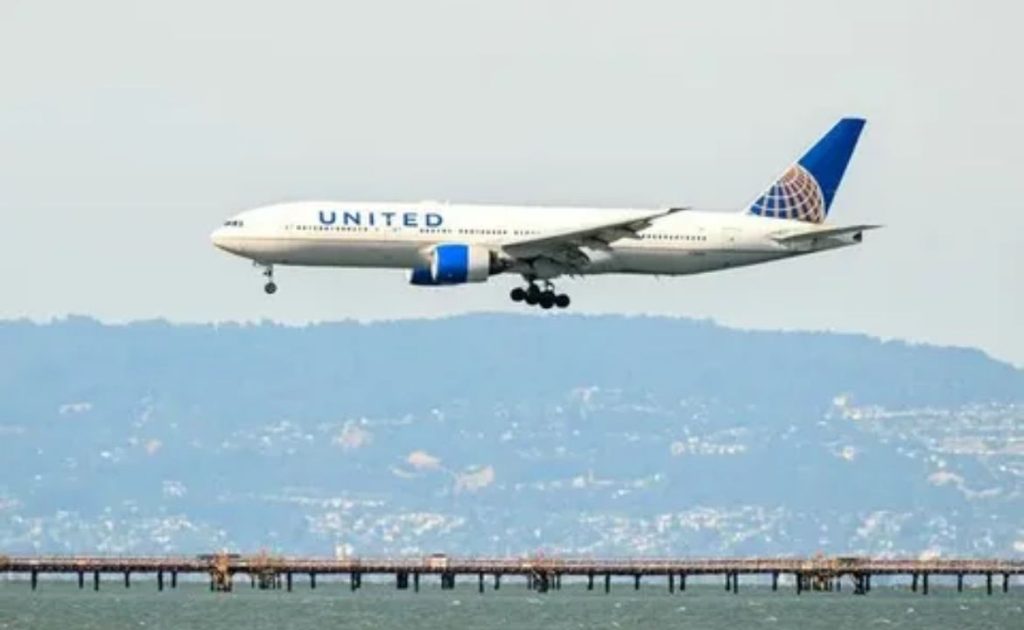

Aviation incidents involving unscheduled diversions often capture public attention, particularly when they involve long-haul international routes. The recent case of united christchurch sfo diverted honolulu serves as a prime example of how operational challenges can significantly impact passenger travel plans and airline operations across the Pacific.
The December 2024 Incident
In December 2024, United Airlines flight UA731 experienced an unexpected diversion that would become a talking point in aviation circles. The flight, originally scheduled to operate the direct route from Christchurch, New Zealand, to San Francisco International Airport, was forced to make an unplanned stop in Honolulu, Hawaii. This incident of united christchurch sfo diverted honolulu highlighted the complexities of long-haul aviation operations and the various factors that can necessitate course changes mid-flight.
The Boeing 787-8 aircraft, registered as N20904, had departed Christchurch at 19:16 NZDT on what should have been a routine 13-hour and 10-minute journey to San Francisco. However, operational requirements and technical considerations led to the decision to divert the aircraft to Daniel K. Inouye International Airport in Honolulu, creating a significant disruption to the planned itinerary.
Understanding the Diversion Reasons
Initial reports surrounding the united christchurch sfo diverted honolulu incident cited multiple contributing factors. According to aviation tracking services and airline statements, the diversion was primarily attributed to crew change requirements, though some sources also mentioned potential technical issues with the Boeing 787 aircraft. The complexity of long-haul operations means that crew duty time regulations are strictly enforced, and when these limits are approached or exceeded, airlines must make operational adjustments to ensure compliance with aviation safety standards.
The need for a crew change at Honolulu demonstrates the intricate planning required for ultra-long-haul routes like the Christchurch to San Francisco service. Flight crews are subject to strict duty time limitations designed to prevent fatigue-related incidents, and when operational delays or other factors threaten to exceed these limits, diversions become necessary to maintain safety standards.
Impact on United’s Pacific Operations
The united christchurch sfo diverted honolulu incident occurred at a particularly significant time for United Airlines’ Pacific operations. The carrier had recently resumed its direct service between Christchurch and San Francisco, marking the only non-stop route connecting the United States mainland with New Zealand’s South Island. This route represents a crucial link for both business and leisure travelers, making any operational disruptions particularly impactful for passengers and the airline’s reputation in the market.
The diversion resulted in the cancellation of the final leg from Honolulu to San Francisco, leaving passengers stranded in Hawaii while the airline worked to accommodate them on alternative flights. This type of operational challenge illustrates the domino effect that a single diversion can have on an airline’s network, particularly for routes with limited frequency and few alternative options.
Broader Context of Aviation Diversions
The case of united christchurch sfo diverted honolulu is not an isolated incident in United Airlines’ recent operational history. The airline has experienced several high-profile diversions across its Pacific network, including flights from San Francisco to Sydney that were diverted to Honolulu for maintenance issues. These incidents highlight the challenges faced by airlines operating long-haul routes across the vast Pacific Ocean, where alternative airports are limited and diversions often result in significant operational disruptions.
Pacific route diversions are particularly challenging due to the geographic constraints of the region. When aircraft operating between major cities like San Francisco, Sydney, Christchurch, and Tokyo encounter problems, the options for suitable diversion airports but limited. Honolulu often serves as a critical diversion point due to its central location, well-equipped facilities, and ability to handle wide-body aircraft operations.
Passenger Experience and Airline Response
For passengers aboard the flight involved in the united christchurch sfo diverted honolulu incident, the experience represented significant inconvenience and potential disruption to their travel plans. Long-haul travelers often have tight connection schedules or important commitments at their destinations, making unexpected diversions particularly problematic.
Airlines like United have established protocols for handling such situations, including passenger accommodation, rebooking procedures, and compensation policies. However, the remote nature of Pacific routes means that alternative flight options but often limited, potentially extending delays by days rather than hours. The airline’s response to such incidents is crucial for maintaining customer confidence and managing the immediate operational challenges.
Technical and Operational Considerations
The Boeing 787 aircraft involved in the incident represents modern aviation technology designed for efficient long-haul operations. However, even advanced aircraft can experience technical issues or operational constraints that necessitate diversions. The 787’s sophisticated systems provide multiple layers of redundancy and safety features, but crew duty time regulations and maintenance requirements remain critical factors in flight operations.
The decision-making process for diversions involves careful consideration of multiple factors, including weather conditions, airport capabilities, passenger welfare, crew duty times, and aircraft maintenance requirements. In the case of the Christchurch to San Francisco route, Honolulu provides an ideal diversion point with excellent facilities, experienced ground handling services, and the ability to accommodate passengers while resolving operational issues.
Looking Forward
The incident of united christchurch sfo diverted honolulu serves as a reminder of the complexities inherent in modern aviation operations, particularly for ultra-long-haul routes. As airlines continue to expand their networks and push the boundaries of aircraft range capabilities, operational challenges like crew duty time management, technical maintenance, and passenger accommodation become increasingly important considerations.
For United Airlines, maintaining reliable service on routes like Christchurch to San Francisco is crucial for establishing market presence in the competitive trans-Pacific market. While diversions like this one are disruptive, they also demonstrate the airline’s commitment to safety and regulatory compliance, even when it results in significant operational and financial costs.
The aviation industry continues to evolve with improved aircraft technology, enhanced operational procedures, and better passenger communication systems, all aimed at minimizing the impact of incidents like the united christchurch sfo diverted honolulu case while maintaining the highest safety standards.
Conclusion
The united christchurch sfo diverted honolulu incident serves as a compelling case study in modern aviation operations and crisis management. While such diversions create immediate challenges for passengers, airlines, and operational schedules, they ultimately demonstrate the aviation industry’s unwavering commitment to safety and regulatory compliance.
This particular diversion highlights several key aspects of contemporary air travel: the complexity of ultra-long-haul route operations, the critical importance of crew duty time regulations, and the strategic value of hub airports like Honolulu in the Pacific region. For United Airlines, incidents like this underscore both the challenges and opportunities present in operating premium international routes.
As the airline industry continues to recover and expand post-pandemic operations, lessons learned from diversions such as the united christchurch sfo diverted honolulu case will prove invaluable in improving operational resilience, passenger communication protocols, and contingency planning procedures. The incident, while disruptive, reinforces the principle that in aviation, safety considerations must always take precedence over schedule adherence, regardless of the operational costs involved.