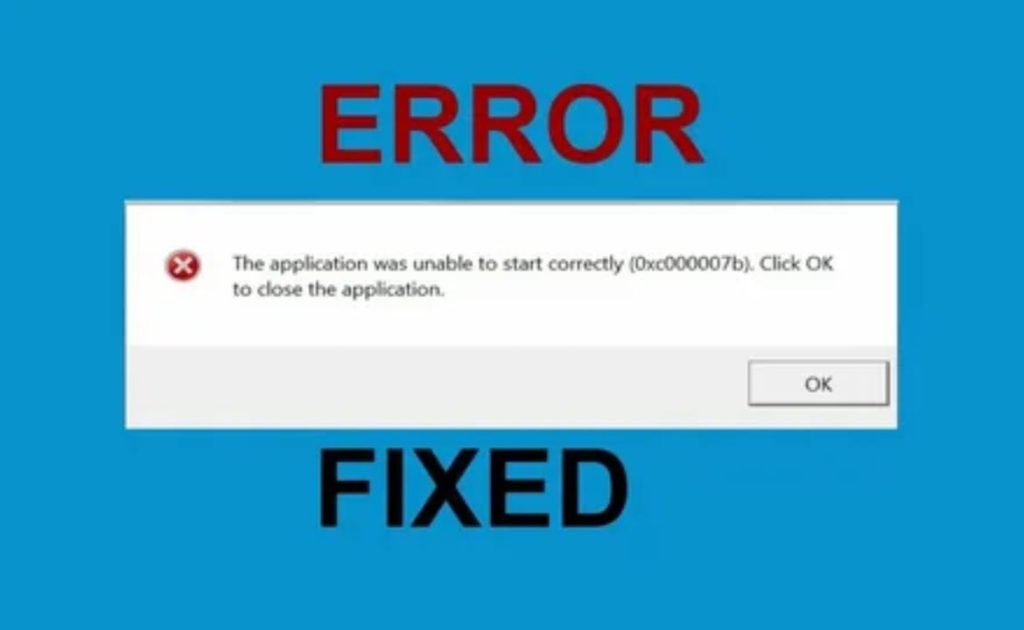

Users upgrading to the latest Susbluezilla release have reported various issues that can disrupt their workflow. From installation hiccups to performance bottlenecks, these problems require immediate attention and practical solutions. Here’s what you need to know about resolving the most persistent error Susbluezilla new version situations.
Installation Headaches That Won’t Go Away
Getting the new Susbluezilla version installed shouldn’t feel like rocket science, but many users find themselves stuck at this first hurdle. Download corruption tops the list of culprits, especially when people grab files from unofficial sources or experience internet interruptions mid-download. Software Error RCSDASSK can also compound these installation issues, making the process even more frustrating for users trying to get up and running with the latest version.
Permission errors drive users crazy, too. Windows machines particularly struggle with this, throwing up roadblocks when the installer tries to modify system directories. Mac users aren’t immune either, often facing similar restrictions that prevent proper installation.
The dependency nightmare deserves special mention. Your system might be missing crucial libraries that the new version demands. Without these underlying components, Susbluezilla simply refuses to launch or crashes immediately after startup.
Before you start the installation process, verify your system specifications match the requirements. Download only from official channels and double-check file integrity. Running installers with administrator rights usually eliminates permission roadblocks.
When Old Systems Meet New Software
Compatibility represents the biggest source of error Susbluezilla new version complaints. Older operating systems weren’t designed to handle the advanced features packed into this release. Windows 7 machines particularly struggle, while some Linux distributions throw unexpected curveballs.
Graphics driver conflicts create another layer of complexity. The new version leverages modern rendering techniques that older graphics cards can’t support. Users report everything from visual glitches to complete system freezes when these conflicts occur.
Hardware limitations compound the problem. Machines with limited RAM or older processors simply can’t keep up with the new version’s requirements. What worked perfectly with previous releases now crawls at an unusable pace.
Consider upgrading your operating system if possible. For hardware-constrained machines, look into running Susbluezilla through virtualization or compatibility layers. Sometimes adjusting graphics settings provides enough relief to maintain usability.
Data Migration Disasters
Upgrading should preserve your valuable data, but the reality often disappoints. Database structure changes in the new version can corrupt existing files or make them completely inaccessible. Users discover their years of work seemingly vanish overnight.
Configuration settings face similar risks. Custom preferences, workspace layouts, and personalized shortcuts may reset to defaults during the upgrade process. This forces users to recreate their preferred working environment from scratch.
Project files sometimes become partially corrupted, displaying correctly in some areas while showing garbage data in others. These mixed corruption scenarios prove particularly frustrating because they’re not immediately obvious.
Always backup everything before upgrading – and we mean everything. User files, configuration directories, database files, and even temporary folders might contain irreplaceable data. Test your backups by restoring them to a different location before proceeding with any upgrade.
Network Nightmares and Sync Failures
Cloud synchronization features sound great in theory, but error Susbluezilla new version reports frequently involve sync problems. Authentication servers go down, network timeouts occur, and data conflicts arise when multiple users edit shared content simultaneously.
Corporate firewalls block the new network protocols that Susbluezilla requires for cloud features. IT departments often whitelist the old version’s connections but forget about the new requirements, leaving users unable to access their cloud-stored projects.
Bandwidth limitations in rural or congested areas make large file synchronization practically impossible. The new version attempts more frequent sync operations, overwhelming slower connections and causing repeated failures.
Check your network settings and firewall rules first. Contact your IT department about whitelisting new domains and ports. For bandwidth-limited situations, look for settings that reduce sync frequency or allow manual synchronization control.
Performance Problems That Kill Productivity
Memory consumption has become a major complaint with the new release. Background processes consume gigabytes of RAM even when the application sits idle. Users with 8GB systems find their machines becoming sluggish when running Susbluezilla alongside other applications.
CPU usage spikes occur randomly, sometimes lasting for minutes without apparent cause. These performance hits make the interface unresponsive and interrupt focused work sessions. Task manager reveals Susbluezilla processes consuming 80-90% of available processing power.
Hard drive thrashing indicates another error Susbluezilla new version scenarios. Constant read/write operations slow down the entire system and wear out storage devices prematurely. SSDs help somewhat, but the underlying problem persists.
Monitor your system resources regularly and close unnecessary applications when using Susbluezilla. Adjust the application’s performance settings to reduce background processing. Consider upgrading your RAM if you frequently work with large projects.
Plugin Chaos and Extension Failures
Third-party extensions that worked flawlessly with previous versions now cause crashes or simply refuse to load. Plugin developers struggle to update their code for the new architecture, leaving users without essential functionality they’ve relied on for years.
Some plugins partially work, creating false hope before failing during critical operations. These intermittent failures prove especially dangerous because they can corrupt data or cause lost work when they occur during save operations.
The plugin management interface itself contains bugs that prevent proper installation or removal of extensions. Users find themselves stuck with broken plugins they can’t remove or unable to install working alternatives.
Research plugin compatibility before upgrading. Maintain a list of essential extensions and verify their status with the new version. Consider postponing your upgrade if critical plugins haven’t been updated yet.
Interface Issues That Frustrate Users
Visual glitches plague the new interface design. Menu items disappear, buttons become unclickable, and text rendering problems make content illegible. These issues vary significantly between different operating systems and hardware configurations.
Custom themes and appearance modifications often break completely with the new version. Users who spent time personalizing their workspace find themselves forced back to default appearances they dislike.
High-DPI displays present particular challenges. Text appears too small or too large, interface elements overlap incorrectly, and icon scaling creates visual inconsistencies throughout the application.
Reset your interface settings to defaults as a first troubleshooting step. Update your graphics drivers and experiment with different display scaling options. Sometimes switching between windowed and full-screen modes resolves stubborn display problems.
Getting Help When Nothing Works
Community forums buzz with error Susbluezilla new version discussions, where users share solutions and workarounds. Many problems have multiple potential fixes, so reading through various approaches often reveals the solution that works for your specific situation.
Official documentation tends to lag behind the software releases, but community-generated guides fill many gaps. YouTube tutorials and blog posts often provide step-by-step visual instructions that make complex troubleshooting more manageable.
Professional support becomes necessary when standard troubleshooting fails. Business users especially need guaranteed response times and expert assistance to minimize downtime and maintain productivity.