

Key Takeaways
- Automation significantly reduces processing times and error rates in accounting tasks.
- Integrating AI and machine learning into workflows enhances efficiency and accuracy.
- Adopting advanced technologies positions firms competitively in the evolving market.
Introduction
In a world where digital solutions are rapidly reshaping the accounting profession, achieving smarter workflows is no longer just a competitive advantage—it’s a necessity for any forward-focused firm. The demands of clients are becoming more sophisticated, pushing accountants to deliver results that are both faster and more accurate than ever before. By embracing automation, firms can not only streamline their internal operations but also elevate their overall service delivery. This trend is catalyzed by strong accountant partnerships, which enable practices to leverage the latest innovations, stay current with industry trends, and implement best practices more effectively. These partnerships bridge gaps in knowledge and capability, strengthening a firm’s adaptability in an era where those that don’t innovate risk falling behind.
A blend of deep human expertise and advanced digital technologies increasingly defines modern accounting. The shift toward cloud-based platforms and process automation is enabling firms of all sizes to reduce repetitive manual work, minimize the risk of costly errors, and ensure ongoing regulatory compliance. This digital transformation is also enhancing client trust and transparency, as automated processes produce more consistent and traceable results. As both businesses and regulations grow more complex, a relentless focus on smarter workflows ensures accountants can be as responsive and resilient as possible, meeting challenges head-on while delivering higher value to clients.
The Shift Towards Automation in Accounting
Automation is revolutionizing the traditional accounting landscape in ways that were unimaginable just a decade ago. By integrating intelligent tools and dynamic digital platforms, firms are empowering their teams to leave behind repetitive, low-value tasks that once consumed significant amounts of time. According to a recent industry survey, an overwhelming 96% of accountants believe that automation is essential to the profession’s future, underscoring broad-based acceptance across the sector.
Automation delivers the dual benefits of freeing up accountants’ time while also paving the way for expertise-driven services. Accountants can redirect their focus toward critical thinking activities, such as financial analysis, risk assessment, and strategic advisory services, which clients increasingly value. Rather than replacing trusted professionals, automation is amplifying their capacity to offer more robust, data-driven, and timely guidance. The technology handles repetitive tasks, enabling professionals to focus on complex problems that require in-depth accounting expertise and sound judgment.
Benefits of Implementing Smarter Workflows
When accounting practices incorporate automation and advanced technologies into daily operations, they unlock a range of significant benefits. Implementing these solutions is not a mere upgrade; it fundamentally changes how firms operate and serve their clients.
- Time Savings: Automated systems expedite routine processes such as data entry, invoice approvals, bank reconciliations, and payroll calculations. As a result, turnaround times are drastically reduced, and employees are empowered to focus on more strategic or client-facing activities. Many firms report their staff can now handle a greater volume of work with far less stress and overtime.
- Increased Accuracy: Manual data processing is susceptible to human oversight, especially during peak work periods, which can result in costly mistakes. Automation introduces robust validation and error-checking mechanisms that ensure data is input correctly and financial reports remain accurate and pristine. Inaccuracies but flagged instantaneously, allowing teams to rectify issues before they escalate.
- Enhanced Compliance: Keeping up with constantly evolving regulatory frameworks is a challenge for even the most seasoned accountants. Automated processes streamline the recordkeeping necessary for compliance and ensure that changing legal requirements are consistently met. By minimizing compliance risks, firms reinforce client trust and operational integrity.
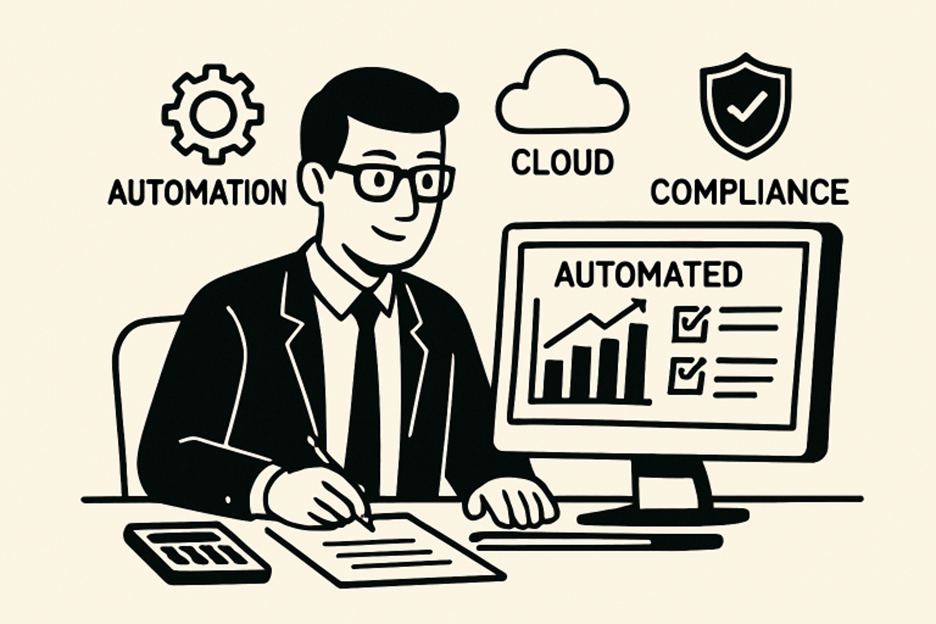
Real-World Applications of Automation
Many accounting firms are turning to automation across a variety of operational areas, not just to speed up their work but to ensure consistency and security in all client interactions. For instance, document management platforms such as SmartVault are transforming how firms store, retrieve, and share sensitive documents. The platform automates version control, secure sharing, and proper archiving, helping teams collaborate from any location. These solutions make exchanging files with clients seamless and safe, eliminating time-consuming back-and-forths and the risks associated with manual file handling.
Automated workflow solutions are also making a substantial impact on tax preparation and audit processes. Tools like Liscio and GruntWorx integrate directly with other accounting systems, making it possible to automatically import source documents, validate client data, and populate tax forms. Automation eliminates traditional bottlenecks and manual entry errors, especially during peak busy season when volume surges. By improving efficiency and accuracy, these tools free up capacity for accountants to handle more clients and provide higher-value consultations without sacrificing attention to detail.
Integrating AI and Machine Learning
The next major leap in smarter workflows comes from artificial intelligence (AI) and machine learning technologies—powerful tools capable of dramatically expanding what’s possible in day-to-day accounting. AI-driven applications can analyze huge data sets, spot anomalies, perform reconciliations, and execute predictive analyses, all at lightning speed. For example, some AI-powered agents now interact directly with accounting software, autonomously posting transactions, reconciling balances, flagging anomalies, and even suggesting corrective actions without human intervention.
As these advanced solutions become firmly embedded in mainstream accounting systems, firms are gaining brand new capabilities to offer proactive insights and customized guidance for every client. AI-driven workflow optimization means accounting teams spend far less time on busywork, and more time leveraging their specialized knowledge to solve client challenges—an important differentiator in today’s increasingly competitive industry.
Overcoming Challenges in Automation Adoption
Adopting smarter workflows is not without its hurdles or growing pains. For many firms, transitioning from traditional ways of working to automated environments involves overcoming several practical and cultural barriers:
- Initial Implementation Costs: Deploying new automation solutions requires a financial investment in software, cloud technologies, and workflow redesign. For smaller firms, especially, upfront costs can be a significant hurdle.
- Staff Training: To maximize the value of automation, staff at every level must but thoroughly trained on new systems and workflows. Investing in comprehensive education and ongoing support helps ensure a smooth adoption, reduces resistance, and accelerates the return on investment.
- Change Management: Successfully transitioning to automated workflows calls for strong leadership and a structured change management approach. Firm leaders must clearly communicate the benefits, provide necessary resources, and listen to feedback to address uncertainty and adaptation issues.
Future Outlook for Accounting Automation
The outlook is bright for firms committed to smarter workflows and continuous innovation. As AI and automation technologies continue to evolve, firms will be able to deliver faster, more reliable, and client-centric services. Most importantly, a robust digital infrastructure enables accounting professionals to anticipate client needs better and respond flexibly to regulatory changes. Firms that make ongoing investments in both technology and staff development will not only differentiate themselves in a crowded field but also lay the groundwork for sustainable, long-term growth.
Conclusion
Smarter workflows powered by automation and AI are fundamentally transforming the accounting profession. Firms that build strong technology partnerships and adapt rapidly—embracing change rather than resisting it—will remain at the forefront of evolving client expectations, regulatory requirements, and industry disruption. The combination of enhanced efficiency, improved accuracy, and superior client service will ensure that future-ready accounting firms thrive in a competitive landscape for years to come.