

Key Takeaways
- Modern SEO involves more than just keywords—technical optimization and high-quality content are equally vital.
- User-centered design and trustworthy content build long-term value for websites.
- Search intent and mobile optimization can significantly affect rankings and user engagement.
- Data-driven approaches help businesses adjust their SEO strategies for steady progress.
- Staying updated on industry news and algorithm changes creates opportunities and minimizes risks.
Search engine optimization has evolved into more than just a way to rank higher on Google—it has become a long-term growth engine for businesses aiming to thrive in the digital marketplace. Today’s strategies focus on delivering value to users through intent-driven content, seamless technical performance, and engaging digital experiences that encourage loyalty. Rather than relying on outdated shortcuts, modern SEO emphasizes consistency, adaptability, and alignment with search engine expectations.
By combining data-driven insights with user-focused practices, businesses can build sustainable visibility that withstands algorithm updates and shifting consumer behaviors. The result is more substantial search rankings and meaningful connections with audiences that fuel lasting online growth.
The Balance Between Content and Technical SEO
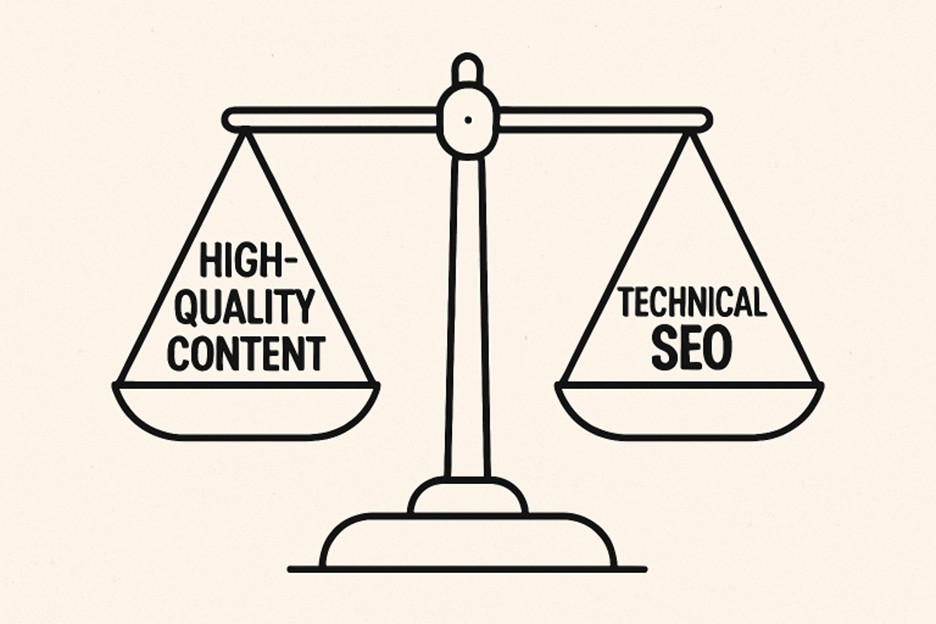
Success in modern SEO is built on a balanced foundation of exceptional content creation and seamless technical performance. Search engines expect more than just keyword-rich landing pages. Well-written, comprehensive content that addresses user needs must go hand in hand with optimized website architecture, fast load times, and secure connections. To see real improvement in rankings and online visibility, working with an expert Denver SEO company can ensure every element of your strategy—from content development to backend optimization—works together for sustainable growth.
Ignoring either pillar of SEO can mean missing out on prime opportunities. High-quality content provides answers, guidance, and value for searchers, while robust technical SEO ensures that those pages can be discovered and accessed by people and search engines alike. Sites that combine strong technical infrastructure with user-focused articles consistently outperform competitors and experience lower bounce rates.
Understanding Search Intent Optimization
The heart of effective SEO today is understanding and serving user intent. Instead of guessing what keywords might perform well, modern strategies analyze the reasons behind searches—whether users seek information, a particular website, or a product to purchase. For example, someone typing “how to start a vegetable garden” is likely seeking detailed instructions, while another searcher looking up “best vegetable garden tools” is ready to compare and buy. Delivering content that matches these intents elevates site relevance and boosts conversion potential.
Meeting search intent means creating a content plan with different types of pages: informative guides, product reviews, FAQs, and more. Structured content that answers the most pressing user questions—supported by clear organization and internal linking—creates a seamless path from discovery to engagement.
Why a Mobile-First Approach Matters
The majority of global web traffic now comes from mobile devices. Recognizing this, Google has shifted to a “mobile-first” approach to site indexing and ranking. If your site delivers a poor experience on smartphones and tablets, you risk lower search rankings and frustrated users. Responsive design, fast load speeds, and touch-friendly layouts are essentials, not extras. Businesses embracing mobile-first strategies typically report higher engagement, more return visits, and stronger brand loyalty.
Trust, Expertise, and Building Website Authority
Earning user trust and demonstrating expertise are critical ranking factors. Search engines reward sites that are seen as authorities with higher placement and more organic visibility. Building your site’s authority involves providing transparent information, citing credible sources, and including author bios that highlight subject matter expertise. Detailed, well-sourced articles address users’ questions thoroughly, encouraging visitors to return and share your pages. Keeping content up to date and proactively correcting inaccuracies increases your standing over time, both with audiences and search algorithms.
Using Data to Guide Strategy Adjustments
Successful SEO is never static. Continuous, data-backed improvement separates sites that merely survive from those that thrive. Tools like Google Analytics and Google Search Console reveal which keywords, pages, and strategies drive your most valuable results. Companies can refine their approaches by examining performance metrics—such as organic traffic, bounce rates, and conversions—and focus on what moves the needle.
Staying Updated with SEO News
The SEO landscape is dynamic, with frequent changes in algorithms and best practices. Staying current is key to minimizing risk and capitalizing on emerging opportunities. Subscribing to established news sources empowers webmasters to anticipate shifts and adapt their strategies before competitors. Proactive, informed teams can pivot quickly, recovering from ranking drops and seizing new ranking opportunities.
Common SEO Pitfalls to Avoid
Even experienced professionals can fall into traps that hinder long-term growth. Overstuffing keywords, neglecting meta tags, or duplicating content diminishes site authority and can even result in ranking penalties. Ignoring website speed, accessibility, or mobile experience sends negative signals to users and search engines. Focusing on genuine user value—rather than short-term tricks—is essential for building a thriving digital presence. Prioritizing regular audits and continuous learning helps avoid outdated practices and technical errors.
Five Steps for Sustainable Online Growth
To achieve sustainable online growth, businesses must focus on delivering high-quality content aligned with user search intent and implementing technical SEO best practices such as optimizing speed, fixing crawl errors, and ensuring mobile compatibility. Building authority requires transparent expertise and credible citations, while ongoing strategies should be refined by monitoring site analytics and search performance. Staying current with industry updates and algorithm changes is crucial. Ultimately, success in SEO is a continuous process of effort, adaptability, and user focus, leading to increased visibility, authority, and loyal audiences.
Conclusion
Modern SEO is no longer about chasing quick wins—it’s about building a long-term, adaptable strategy that blends content excellence with technical precision. Businesses that balance both pillars, while staying attentive to user intent, mobile accessibility, and evolving best practices, set themselves apart in an increasingly competitive digital space. Regular audits, data-driven refinements, and a commitment to authority and trust ensure that SEO efforts remain relevant and impactful.
By embracing a sustainable, user-focused approach, organizations can achieve more than just higher rankings—they can create lasting online growth, stronger customer relationships, and a resilient digital presence that thrives despite constant industry change.