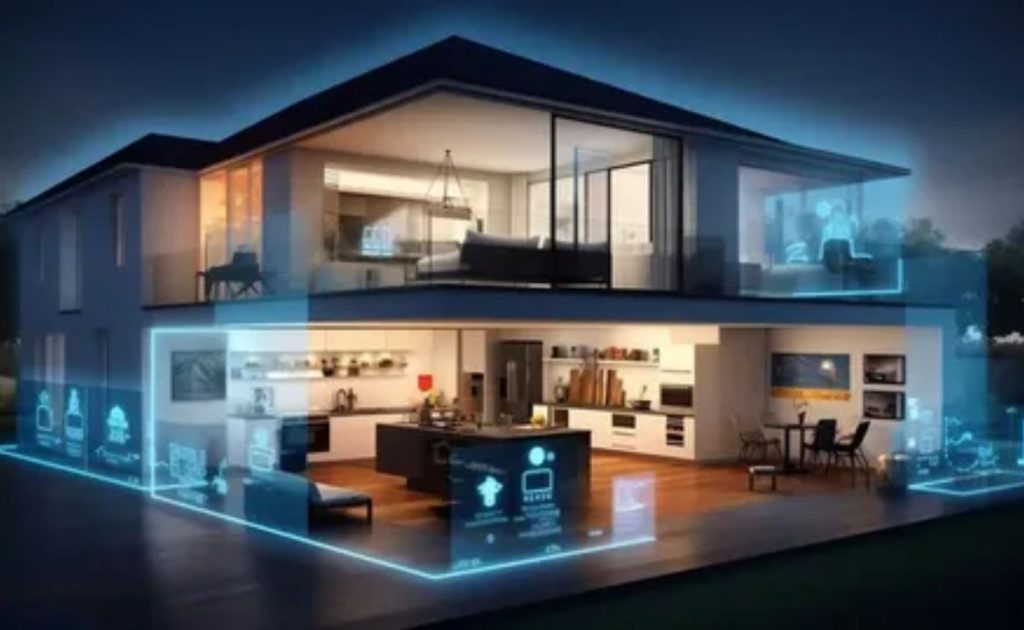

The modern homeowner faces an exciting yet complex challenge: transforming traditional living spaces into intelligent, connected environments that enhance comfort, security, and efficiency. Smart home technology has evolved from a luxury novelty to an essential component of contemporary living, but successful implementation requires strategic home upgrading management that goes beyond simply purchasing the latest gadgets.
Understanding the Smart Home Ecosystem
Before diving into specific technologies, it’s crucial to understand that smart homes operate as interconnected ecosystems rather than collections of individual devices. This ecosystem approach forms the foundation of effective home upgrading management, ensuring that each component works harmoniously with others to create a seamless user experience.
The core components of any smart home system include a central hub or controller, communication protocols (such as WiFi, Zigbee, or Z-Wave), smart devices, and the software applications that tie everything together. Successful smart home implementation begins with choosing a primary platform whether it’s Amazon Alexa, Google Home, Apple HomeKit, or Samsung SmartThings and building your system around its capabilities and limitations.
Strategic Planning: The Blueprint for Success
The most common mistake homeowners make is purchasing smart devices impulsively without a comprehensive plan. Effective home upgrading management starts with a thorough assessment of your current home infrastructure, lifestyle needs, and long-term goals.
Begin by conducting an energy audit to identify areas where smart technology can deliver the most significant impact. Focus on high-usage systems like heating and cooling, lighting, and major appliances. These areas typically offer the best return on investment while providing immediate benefits in terms of convenience and energy savings.
Create a priority list based on your family’s daily routines. If security is your primary concern, start with smart locks, cameras, and motion sensors. For energy-conscious homeowners, smart thermostats, LED lighting systems, and energy monitoring devices should take precedence. Those focused on convenience might begin with smart speakers, automated lighting scenes, and smart appliances.
Infrastructure Considerations: Building the Foundation
One of the most overlooked aspects of smart home implementation is ensuring your existing infrastructure can support new technologies. Your home’s electrical system, internet connectivity, and physical layout all play critical roles in determining which smart devices will work effectively.
Network capacity is particularly crucial. Smart homes can easily overwhelm older routers with dozens of connected devices competing for bandwidth. Invest in a robust mesh network system that can handle current needs while providing room for future expansion. Consider upgrading to fiber internet if available, as the increased bandwidth will support high-definition security cameras, streaming services, and real-time device communications without lag.
Electrical considerations are equally important. Some smart devices require neutral wires that may not be present in older homes, while others need dedicated circuits for optimal performance. Consulting with a qualified electrician during the planning phase can prevent costly modifications later and ensure your smart home upgrades comply with local building codes.
Device Selection and Compatibility
The smart home market is flooded with options, making device selection both exciting and overwhelming. Successful home upgrading management requires focusing on compatibility, reliability, and scalability rather than simply choosing the cheapest or most feature-rich options.
Prioritize devices that support multiple communication protocols and can integrate with various platforms. This flexibility protects your investment and provides options if you decide to change ecosystems in the future. Research the manufacturer’s track record for software updates and customer support, as smart devices are only as good as their ongoing maintenance and security patches.
Consider the total cost of ownership, including subscription fees for cloud services, replacement costs for battery-powered devices, and potential professional installation requirements. Some seemingly affordable devices become expensive when these additional costs are factored in over their expected lifespan.
Implementation Phases: A Gradual Approach
Rather than attempting to transform your entire home overnight, implement your smart home upgrades in carefully planned phases. This approach allows you to learn each system thoroughly, identify integration issues early, and spread costs over time.
Phase one typically focuses on basic connectivity and control, establishing your network infrastructure and central hub while adding a few key devices like smart thermostats and basic lighting controls. This foundation phase helps you understand how different devices communicate and identify any network or compatibility issues.
Phase two expands functionality by adding security features, advanced lighting scenes, and entertainment integration. By this point, you’ll have developed preferences for certain brands or platforms, making future purchases more strategic.
Phase three introduces advanced automation and artificial intelligence features, creating complex scenes that respond to your habits and preferences. This might include automated climate adjustments based on occupancy patterns, smart irrigation systems that respond to weather forecasts, or advanced security protocols that learn normal household routines.
Maintenance and Future-Proofing
Effective home upgrading management doesn’t end with installation. Smart homes require ongoing maintenance to ensure optimal performance and security. Regular software updates protect against vulnerabilities while adding new features and improving compatibility.
Establish routines for checking device status, replacing batteries, cleaning sensors, and reviewing security settings. Many smart home platforms provide maintenance reminders and diagnostic tools that make this process straightforward.
Plan for obsolescence by choosing devices from manufacturers with strong track records and avoiding proprietary systems that lock you into single-vendor solutions. The smart home industry evolves rapidly, and flexibility is key to protecting your investment.
Maximizing Value and ROI
The most successful smart home implementations balance immediate benefits with long-term value creation. Energy savings from smart thermostats and LED lighting can offset upgrade costs within a few years, while security systems provide peace of mind and potential insurance discounts.
Smart homes also increase property values, particularly in markets where tech-savvy buyers are common. However, the key is implementing systems that enhance rather than complicate daily life. Overly complex automation that requires constant adjustment or troubleshooting can actually decrease satisfaction and property appeal.
Focus on upgrades that solve real problems or genuinely improve your quality of life. The most valuable smart home features are often the simplest: lights that turn on automatically when you arrive home, thermostats that learn your schedule, or security cameras that send alerts to your phone.
By following these strategic principles and maintaining focus on practical benefits over flashy features, homeowners can create smart living environments that truly enhance their daily lives while providing lasting value. Remember that successful smart home transformation is a journey rather than a destination, requiring patience, planning, and ongoing attention to achieve optimal results.
Conclusion
Transforming your home into a smart living space doesn’t have to be overwhelming or prohibitively expensive. The key to successful home upgrading management lies in strategic planning, phased implementation, and focusing on solutions that genuinely improve your daily life rather than simply adding technological complexity.
Start with a clear assessment of your needs and priorities, invest in robust infrastructure that can support future growth, and choose devices that offer flexibility and long-term value. Remember that the most effective smart homes are those that operate seamlessly in the background, anticipating needs and simplifying routines rather than creating new complications.
As technology continues to evolve, the homes that adapt most successfully will be those built on solid foundations of compatibility, reliability, and user-centered design. With careful planning and patient implementation, your smart home investment will pay dividends in comfort, security, energy savings, and property value for years to come.
The future of home living is intelligent, connected, and responsive to our needs. By applying these home upgrading management secrets, you’re not just installing technology you’re creating a living environment that grows smarter and more valuable over time.